

decorative glass panels for walls
Understanding Level Manufacturer A Key Player in the Industry In today's fast-paced industrial environment, the importance of level manufacturers cannot be overstated. These manufacturers specialize in producing various types of levels—tools used to measure and establish a horizontal plane, which are essential in construction, engineering, and various manufacturing processes. This article delves into the significance of level manufacturers, their offerings, and the innovations shaping the industry. The Role of Level Manufacturers Level manufacturers play a critical role in ensuring precision and accuracy in a wide range of applications. From ensuring that a building is plumb and square to guaranteeing that machinery is set up correctly, levels are an indispensable tool for professionals in multiple trades. These tools are used to check horizontal and vertical alignments, making them vital in both new construction and renovation projects. The primary goal of level manufacturers is to produce high-quality, durable, and accurate leveling tools. These manufacturers invest heavily in research and development to enhance the performance and reliability of their products. Innovations in materials and technology are at the forefront of this industry, enabling the production of levels that can withstand harsh conditions while maintaining precision. Types of Levels Level manufacturers produce a variety of types of leveling tools, each designed for specific applications . Some of the most common types include 1. Spirit Levels Also known as bubble levels, these tools use a liquid-filled vial with an air bubble to determine level surfaces. They are widely used in construction and woodworking. 2. Laser Levels These advanced tools project a laser beam to create a perfectly straight line over long distances. They are ideal for tasks requiring high precision, such as installing cabinets, aligning tiles, and more. level manufacturer 3. Digital Levels These devices come equipped with electronic sensors that provide digital readouts of the level, making them easy to read and very accurate. They are frequently used in trade fields, where precision is paramount. 4. Water Levels A more traditional approach, water levels use the principle of communicating vessels. While they may not be as widely used today due to technology advancements, they still find use in certain applications where simplicity is key. The Innovation Landscape The level manufacturing industry has seen considerable advancements over the years. The integration of technology into leveling devices has enhanced their accuracy and usability. For instance, many modern laser levels now come with advanced features such as self-leveling capabilities, Bluetooth connectivity, and smartphone integration. These features allow users to control and monitor the device remotely, increasing efficiency and convenience. Moreover, with the rise of construction projects embracing sustainability, some level manufacturers are also focusing on eco-friendly practices. This includes using sustainable materials in the production process and creating products that reduce waste. The Importance of Quality and Accuracy For professionals relying on these tools, the quality and accuracy of levels is non-negotiable. Inaccurate leveling can lead to disastrous consequences, from structural failures to misaligned installations. As such, reputable level manufacturers adhere to strict quality control measures and industry standards. They often subject their products to rigorous testing to ensure they meet or exceed these standards, giving users the confidence that their tools will perform as expected. Conclusion Level manufacturers are integral to various industries, providing the tools necessary for ensuring accuracy and precision in countless applications. As technology continues to evolve, the products offered by these manufacturers are also advancing, embodying higher standards of functionality and reliability. For professionals working in construction, engineering, and manufacturing, understanding the role and offerings of level manufacturers is crucial in selecting the right tools that will contribute to the success of their projects. As we look forward, the industry is bound to see further innovations, making leveling tools more efficient, easy to use, and environmentally friendly. The future indeed appears bright for level manufacturers, and by extension, the professionals who depend on their products.
about
decorative glass panels for walls
Understanding Level Supplier Relationships in Supply Chain Management In today's complex global marketplace, businesses rely heavily on their supply chains to deliver products and services efficiently. One crucial aspect of supply chain management is the concept of level suppliers. Level suppliers are categorized based on their ability to meet specific criteria that ensure quality, reliability, and efficiency. This article explores the significance of level suppliers, their classification, and their impact on supply chain performance. Definition and Classification of Level Suppliers Level suppliers can be classified into several tiers based on their strategic importance and the role they play in the supply chain. The most common classifications include 1. Tier 1 Suppliers These suppliers have a direct relationship with the company, providing essential components or services. They are typically key partners and are involved in the design and development of products. 2. Tier 2 Suppliers These suppliers provide materials or components that are used by Tier 1 suppliers. Although they may not interact directly with the primary enterprise, their reliability is critical for the uninterrupted flow of production. 3. Tier 3 Suppliers Often considered indirect suppliers, Tier 3 suppliers provide raw materials or sub-components needed by Tier 2 suppliers. While they might not be directly engaged with the primary business, their performance can significantly influence the supply chain's overall efficiency. The classification of suppliers into these tiers helps organizations prioritize their relationships and manage risk effectively. Understanding the supplier levels aids businesses in developing appropriate strategies for supplier management, risk mitigation, and quality assurance. Importance of Level Suppliers Having a robust base of level suppliers is vital for any organization . Here are a few reasons why they are essential for supply chain success 1. Quality Assurance Level suppliers play a pivotal role in maintaining product quality. By working closely with Tier 1 suppliers, organizations can ensure that the materials sourced from Tier 2 and Tier 3 suppliers meet the necessary standards. This collaboration leads to higher product quality and minimizes defects. level supplier 2. Risk Management Diversifying supplier relationships across different levels helps mitigate risks associated with supply chain disruptions. If a Tier 1 supplier encounters problems, organizations can quickly turn to Tier 2 or Tier 3 suppliers to maintain production continuity, ensuring that operations are not adversely affected. 3. Cost Efficiency By establishing relationships with multiple levels of suppliers, companies can leverage competitive pricing. Tier 2 and Tier 3 suppliers may offer more cost-effective solutions, allowing organizations to optimize their cost structures without compromising on quality. 4. Innovation and Collaboration Level suppliers often contribute to innovative processes and products. Collaborating with suppliers at various levels fosters an environment where new ideas can flourish, driving technological advancements and improving overall business performance. Managing Level Supplier Relationships To maximize the benefits of level supplier relationships, organizations should adopt strategic approaches, including - Supplier Assessment Regularly assessing suppliers based on performance metrics, quality standards, and delivery timelines ensures that businesses partner with capable organizations. This includes conducting audits and monitoring KPIs to maintain high operational standards. - Open Communication Maintaining transparent and open lines of communication with suppliers at all levels fosters collaboration. Companies can share forecasts, production plans, and challenges, creating a more responsive and agile supply chain. - Supplier Development Programs Investing in supplier development initiatives can enhance supplier capabilities. Providing training, resources, and support encourages suppliers to improve their processes, leading to better overall supply chain performance. - Long-term Partnerships Developing long-term relationships with suppliers promotes loyalty and commitment. By establishing strategic alliances, companies can work collaboratively on new projects, improve efficiency, and innovate together. Conclusion In conclusion, level suppliers are integral to effective supply chain management. By understanding supplier classifications and managing relationships strategically, businesses can enhance quality, reduce risks, and drive innovation. As the global supply chain landscape evolves, organizations that prioritize their level suppliers will be better positioned to adapt and thrive in an increasingly competitive environment.
-

High quality industrial productsagement

High quality industrial products
View Details -

Meet the diverse needs of customers

Meet the diverse needs of customers
View Details -

Strict quality control

Strict quality control
View Details -

Top raw materials

Top raw materials
View Details -

Trusted supplier

Trusted supplier
View Details
Our application

news and information
Y Type Strainer Function
In the world of fluid mechanics and piping systems, maintaining the efficiency and longevity of equi
Verkauf von präzisen Stiftmessgeräten für industrielle Anwendungen und Qualitätskontrolle
Pin-Gauges zum Verkauf Präzision und Qualität für Ihre Fertigung In der modernen Fertigungsindustrie
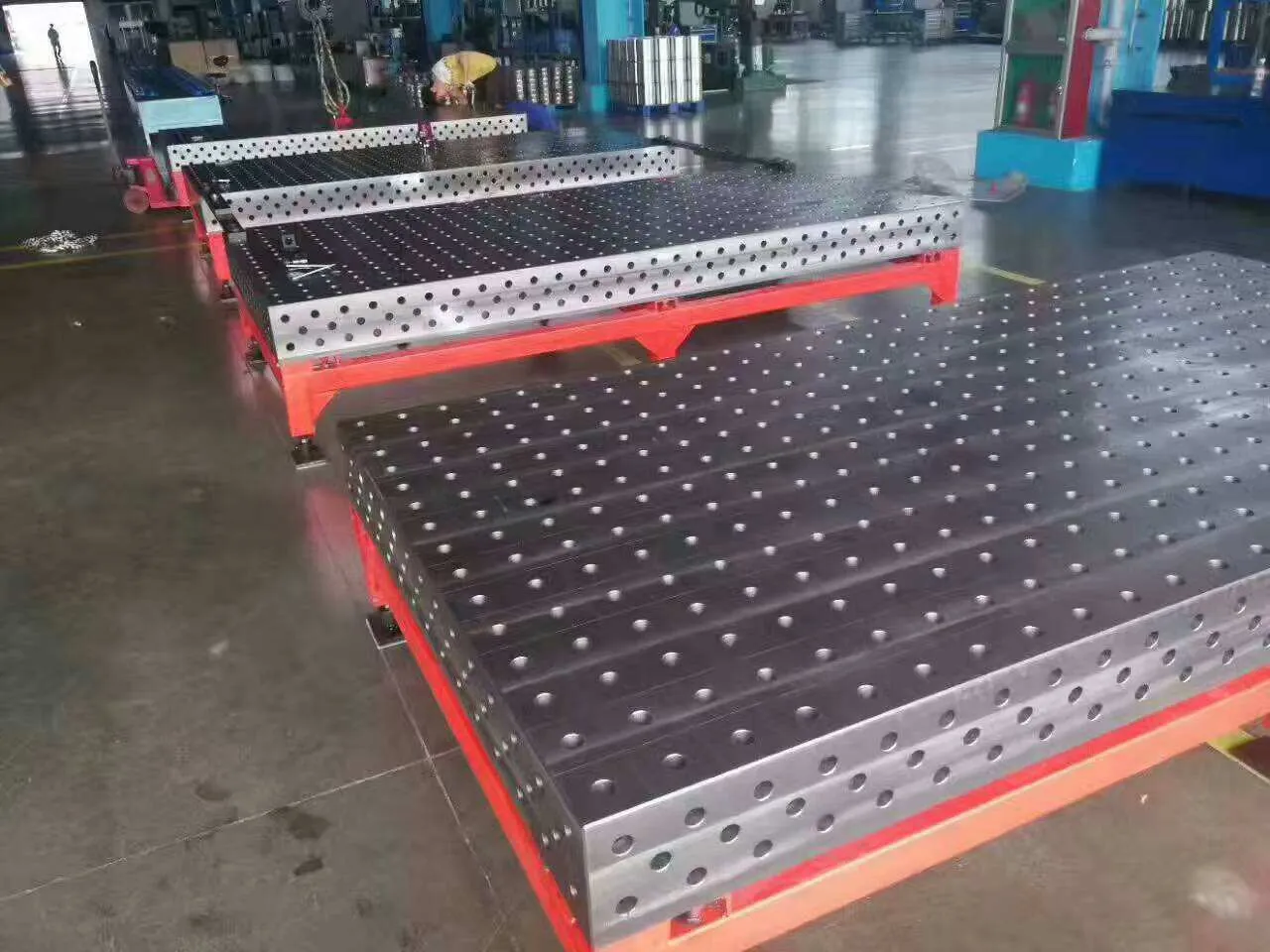
V Block Design - Innovative Modular Solutions for Modern Spaces
Understanding V-Block Design in Modern Engineering V-Block design is a pivotal concept in modern eng
 English